
 magyar
 română
 slovenčina
 čeština
 English
 Deutsch
 polski
 italiano
 español
 svenska
 português
 français
 dansk
dansk
 suomi
suomi
 Nederlands
Hepatitis C: Essential Information and Laboratory Testing Guide
Hepatitis C is a viral infection that primarily affects the liver and is caused by the hepatitis C virus (HCV). This infection can range from a mild illness lasting a few weeks to a serious, lifelong condition. The virus spreads mainly through contact with infected blood, most commonly through sharing needles or other drug injection equipment. Healthcare workers may also be at risk through accidental needle stick injuries. Less commonly, the virus can be transmitted from mother to child during childbirth or through sexual contact with an infected person.
Many people with hepatitis C do not experience symptoms, especially in the early stages of infection. When symptoms do occur, they may include fatigue, fever, nausea, loss of appetite, abdominal pain, dark urine, clay-colored stools, joint pain, and jaundice (yellowing of the skin and eyes). Because symptoms are often absent or mild, many individuals are unaware they are infected until liver damage is detected during routine medical testing or blood donation screening.
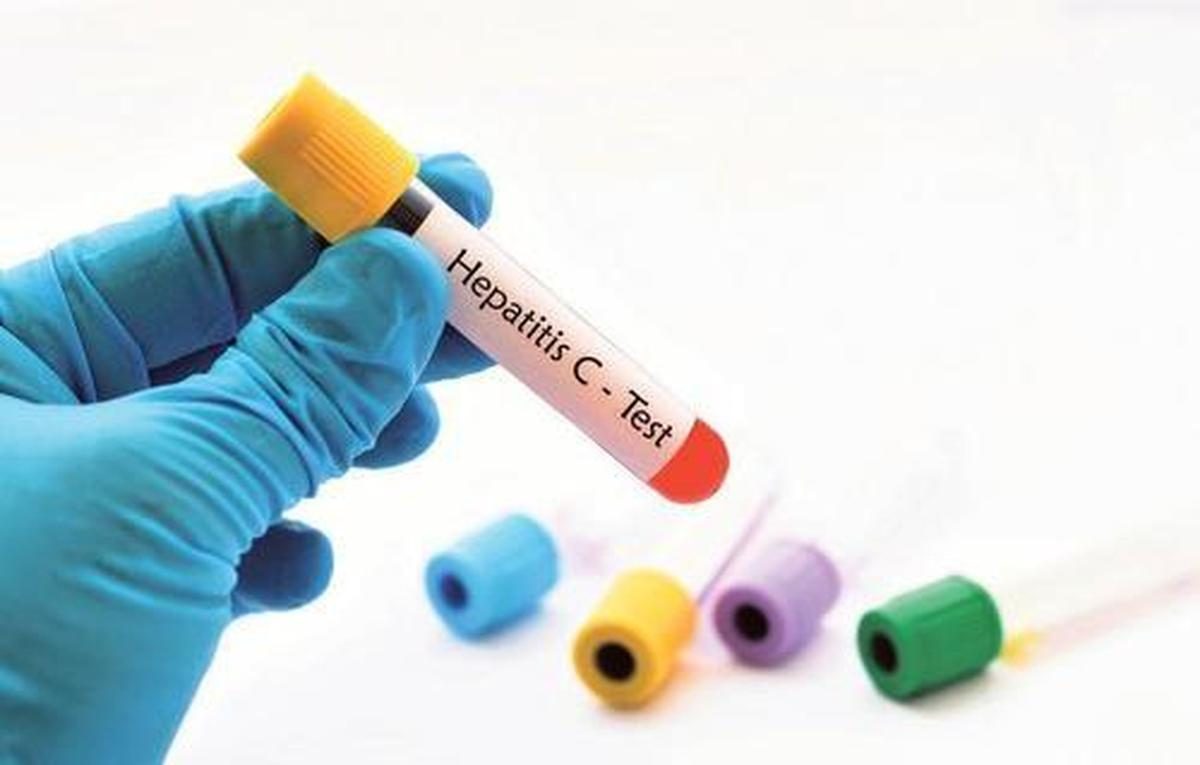
Laboratory testing is essential for diagnosing hepatitis C infection. The initial screening test is an antibody test that detects whether a person has ever been exposed to the hepatitis C virus. If antibodies are detected, a follow-up test called an HCV RNA test is performed to determine if the virus is currently active in the body. The RNA test can detect the genetic material of the virus and confirm an active infection. Additional tests may include liver function tests to assess how well the liver is working and tests to determine the specific genotype of the virus, which helps guide treatment decisions.
Treatment for hepatitis C has improved dramatically in recent years with the development of direct-acting antiviral medications. These newer treatments are highly effective, typically cure the infection in eight to twelve weeks, and have fewer side effects than older therapies. Without treatment, chronic hepatitis C can lead to serious liver problems including cirrhosis, liver failure, and liver cancer. Regular monitoring through blood tests and imaging studies helps healthcare providers assess liver health and detect complications early. People at higher risk for hepatitis C, including those who have used injection drugs, received blood transfusions before 1992, or were born between 1945 and 1965, should consider getting tested.