
 magyar
 română
 slovenčina
 čeština
 English
 Deutsch
 polski
 italiano
 español
 svenska
 português
 français
 dansk
dansk
 suomi
suomi
 Nederlands
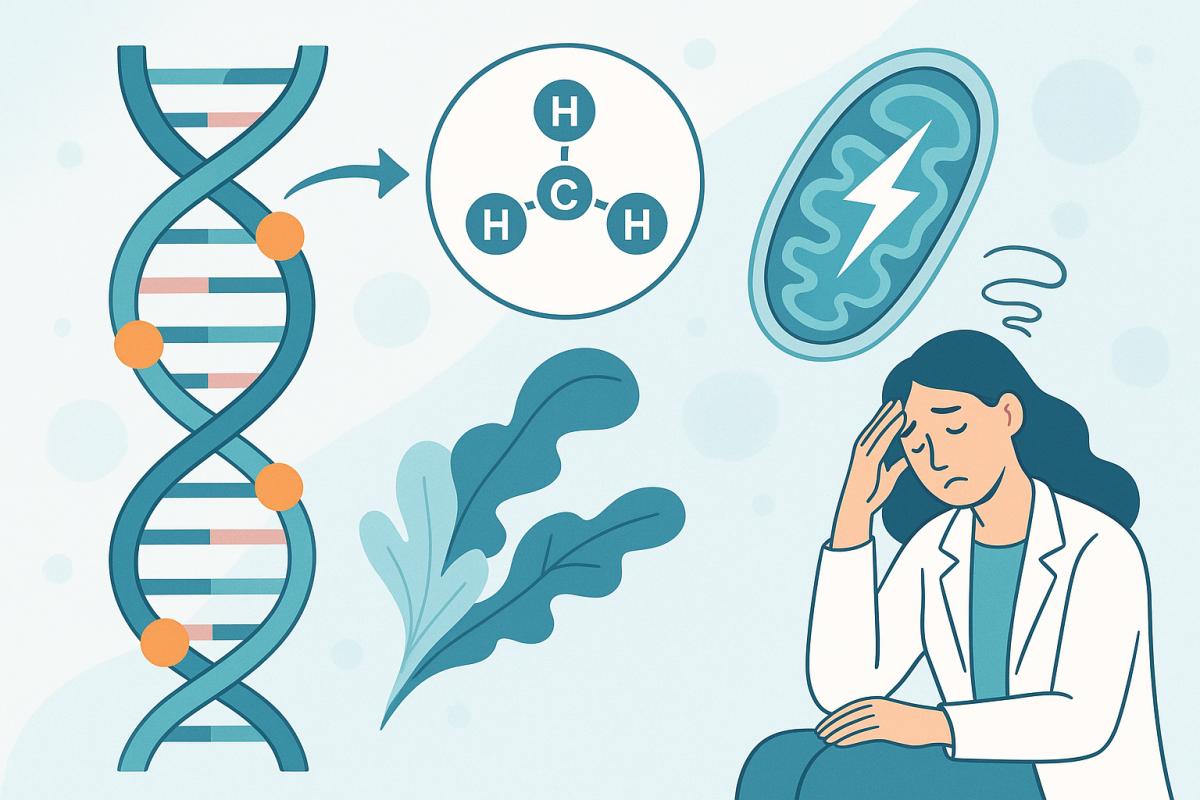
What Is Methylation? How This Cellular Process Affects Energy and Fatigue
The prothrombin time test, commonly known as PT or protime, is a blood test that measures how long it takes for your blood to clot. This test evaluates the function of several clotting factors in your blood, specifically factors I, II, V, VII, and X, which are essential proteins involved in the blood clotting process. The test is often performed alongside other coagulation tests to assess your blood's ability to form clots properly. Results are typically reported in seconds and may also be expressed as an International Normalized Ratio, or INR, which standardizes the results across different laboratories.
Healthcare providers order prothrombin time tests for several important reasons. The test is commonly used to monitor patients taking warfarin or similar blood-thinning medications to ensure the dosage is appropriate and effective. It helps diagnose bleeding disorders or clotting problems that may cause excessive bleeding or abnormal clot formation. The test is also useful before surgical procedures to assess bleeding risk, and it can help evaluate liver function since the liver produces most clotting factors. Additionally, it may be ordered to investigate unexplained bruising, prolonged bleeding from minor cuts, or nosebleeds.
A normal prothrombin time typically ranges from 11 to 13.5 seconds, though this can vary slightly between laboratories. For patients on warfarin therapy, the target INR usually ranges from 2.0 to 3.0, depending on the condition being treated. A prolonged PT or elevated INR means blood takes longer to clot, which may indicate a clotting factor deficiency, liver disease, vitamin K deficiency, or the effect of anticoagulant medications. Conversely, a shortened PT may suggest an increased risk of blood clots, though this is less common.
The test requires a simple blood sample, usually drawn from a vein in your arm. No special preparation is typically needed, though you should inform your healthcare provider about all medications and supplements you are taking, as many substances can affect test results. These include blood thinners, antibiotics, certain vitamins, and herbal supplements. If you are on warfarin therapy, regular PT/INR monitoring is essential to maintain safe and effective anticoagulation levels and prevent complications such as excessive bleeding or clot formation.