
 magyar
 română
 slovenčina
 čeština
 English
 Deutsch
 polski
 italiano
 español
 svenska
 português
 français
 dansk
dansk
 suomi
suomi
 Nederlands
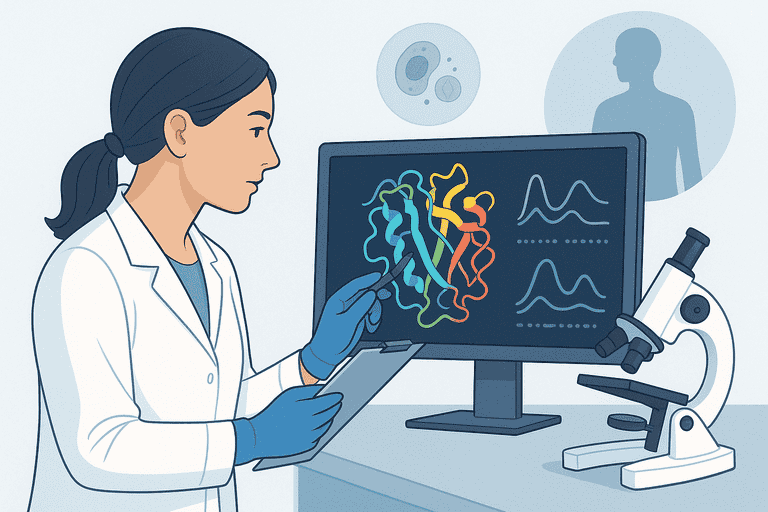
Protein Shape Analysis May Enable Early Disease Detection Before Symptoms
Platelet count, also known as thrombocyte count, is a laboratory test that measures the number of platelets in your blood. Platelets are small, colorless blood cells that play a crucial role in blood clotting and wound healing. When you get a cut or injury, platelets rush to the site and clump together to form a plug that stops bleeding. This test is typically part of a complete blood count and helps healthcare providers diagnose and monitor various medical conditions affecting blood clotting.
The normal range for platelet count generally falls between 150,000 and 450,000 platelets per microliter of blood. However, reference ranges may vary slightly between laboratories. A low platelet count, called thrombocytopenia, can increase your risk of bleeding and bruising. This condition may result from decreased platelet production in the bone marrow, increased destruction of platelets, or platelets being trapped in an enlarged spleen. Causes include certain medications, autoimmune disorders, viral infections, liver disease, or bone marrow problems. A high platelet count, known as thrombocytosis, can increase the risk of blood clots and may be caused by inflammation, iron deficiency, certain cancers, bone marrow disorders, or recent surgery.
The platelet count test requires a simple blood sample, usually drawn from a vein in your arm. No special preparation is typically needed, though you should inform your healthcare provider about any medications you are taking, as some drugs can affect platelet levels. The blood sample is analyzed using automated laboratory equipment that counts the number of platelets. Results are usually available within a few hours to a day, depending on the laboratory.
Your healthcare provider may order this test if you experience symptoms such as unexplained bruising, prolonged bleeding from cuts, nosebleeds, blood in urine or stool, or unusually heavy menstrual periods. The test is also routinely performed before surgery, during pregnancy, or to monitor patients with known blood disorders or those taking medications that affect platelet production. If your platelet count is abnormal, additional tests may be needed to determine the underlying cause and guide appropriate treatment. Regular monitoring may be necessary for individuals with chronic conditions affecting platelet levels.