
 magyar
 română
 slovenčina
 čeština
 English
 Deutsch
 polski
 italiano
 español
 svenska
 português
 français
 dansk
dansk
 suomi
suomi
 Nederlands
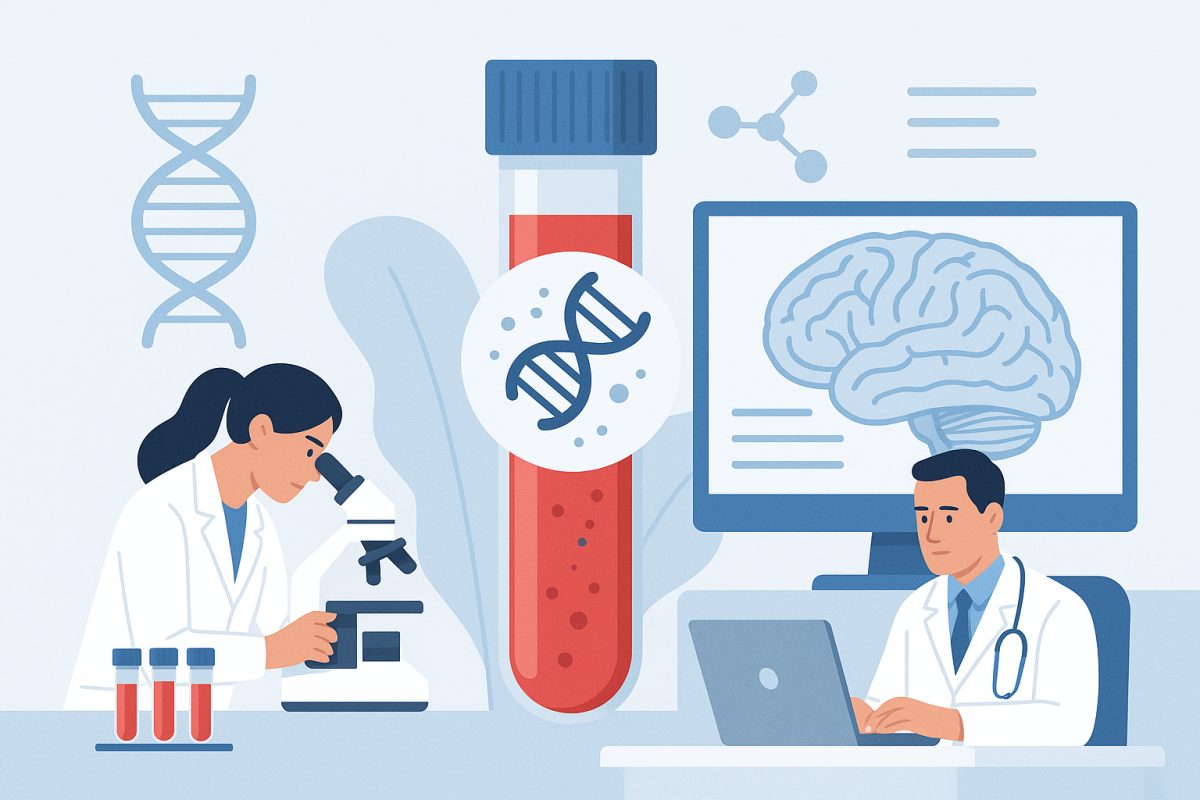
Noninvasive Blood Test Detects Brain Gene Activity
Urinary Tract Infection (UTI) Testing and Diagnosis
A urinary tract infection is a common condition that occurs when bacteria enter and multiply in the urinary system, which includes the kidneys, ureters, bladder, and urethra. Most infections affect the lower urinary tract, specifically the bladder and urethra. Women are at higher risk of developing UTIs than men due to anatomical differences. Common symptoms include a strong, persistent urge to urinate, a burning sensation during urination, passing small amounts of urine frequently, cloudy or strong-smelling urine, and pelvic pain in women.
Laboratory testing plays a crucial role in diagnosing urinary tract infections. The most common initial test is a urinalysis, which examines a urine sample for signs of infection such as white blood cells, red blood cells, and bacteria. A urine culture is often performed to identify the specific bacteria causing the infection and determine which antibiotics will be most effective for treatment. For the most accurate results, patients should provide a clean-catch midstream urine sample, which minimizes contamination from skin bacteria.
Additional tests may be recommended for people with recurrent UTIs or complicated infections. These can include imaging studies such as ultrasound or CT scans to examine the urinary tract for abnormalities, blockages, or structural problems. A cystoscopy, which uses a thin tube with a camera to view the inside of the bladder and urethra, may also be performed in certain cases. Blood tests might be ordered if there is concern that the infection has spread to the kidneys or bloodstream.
Prompt diagnosis and treatment of UTIs are important to prevent complications such as kidney damage or sepsis. If you experience symptoms of a urinary tract infection, contact your healthcare provider who can order appropriate laboratory tests and prescribe treatment based on the results. Most uncomplicated UTIs respond well to antibiotic therapy, though completing the full course of prescribed medication is essential even if symptoms improve quickly.