
 magyar
 română
 slovenčina
 čeština
 English
 Deutsch
 polski
 italiano
 español
 svenska
 português
 français
 dansk
dansk
 suomi
suomi
 Nederlands
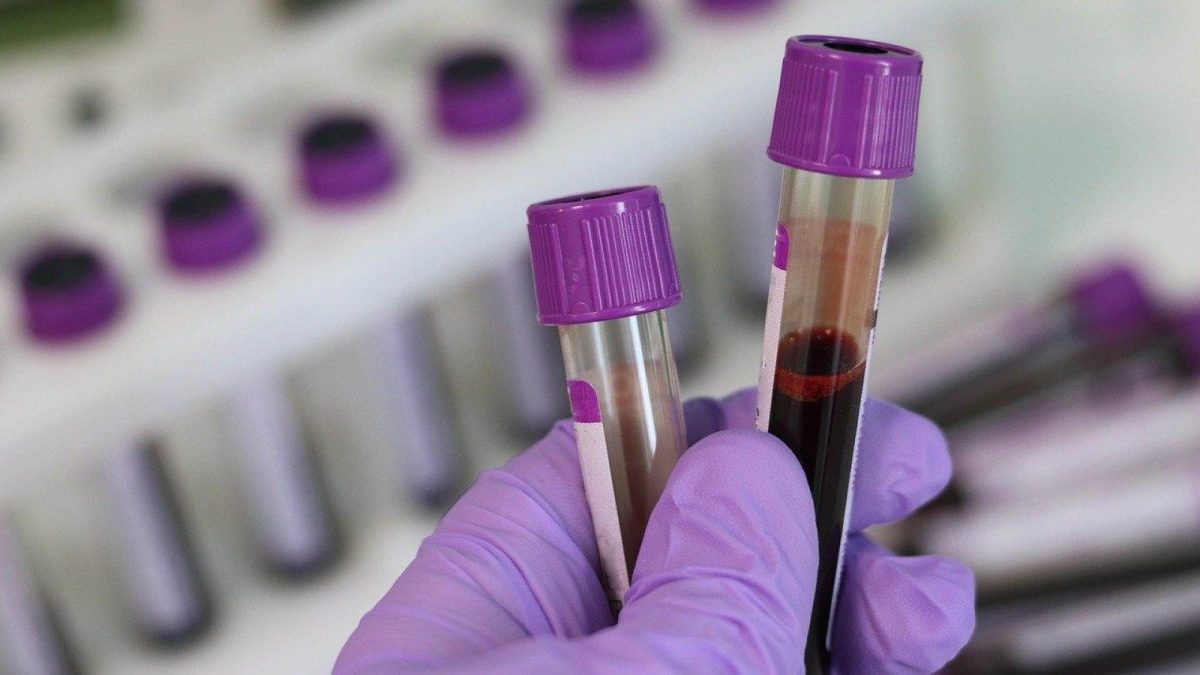
Kanazawa University Blood Test Detects 90% of Early-Stage Pancreatic Cancers
Hemoglobin A1c, commonly known as HbA1c or glycated hemoglobin, is a blood test that measures the average blood sugar levels over the past two to three months. This test is essential for diagnosing and monitoring diabetes. When glucose in the bloodstream attaches to hemoglobin in red blood cells, it forms glycated hemoglobin. Since red blood cells live for approximately three months, the HbA1c test provides a long-term picture of blood sugar control, unlike daily glucose tests that only show levels at a specific moment.
The HbA1c test is used for multiple purposes in diabetes care. It helps diagnose type 2 diabetes and prediabetes in adults and children. For people already diagnosed with diabetes, the test monitors how well their blood sugar is being controlled through diet, exercise, and medication. Healthcare providers use HbA1c results to adjust treatment plans and assess the risk of developing diabetes-related complications such as kidney disease, nerve damage, and eye problems.
The test is typically performed by drawing a small blood sample from a vein in the arm, though finger-stick samples may also be used. No special preparation is needed, and you can eat and drink normally before the test. Results are expressed as a percentage. For people without diabetes, normal HbA1c levels are below 5.7 percent. A result between 5.7 and 6.4 percent indicates prediabetes, while a level of 6.5 percent or higher on two separate tests suggests diabetes. For those managing diabetes, the target HbA1c level is usually below 7 percent, though individual goals may vary based on age, overall health, and other factors.
Several factors can affect HbA1c results. Conditions that influence red blood cell lifespan, such as anemia, recent blood loss, or blood transfusions, may lead to inaccurate readings. Certain hemoglobin variants common in some ethnic groups can also interfere with test accuracy. Additionally, pregnancy, kidney disease, and liver disease may impact results. If you have any of these conditions, your healthcare provider may recommend alternative tests or interpret your results differently. Regular HbA1c testing, usually every three to six months for people with diabetes, helps ensure optimal blood sugar management and reduces the risk of long-term complications.