
 magyar
 română
 slovenčina
 čeština
 English
 Deutsch
 polski
 italiano
 español
 svenska
 português
 français
 dansk
dansk
 suomi
suomi
 Nederlands
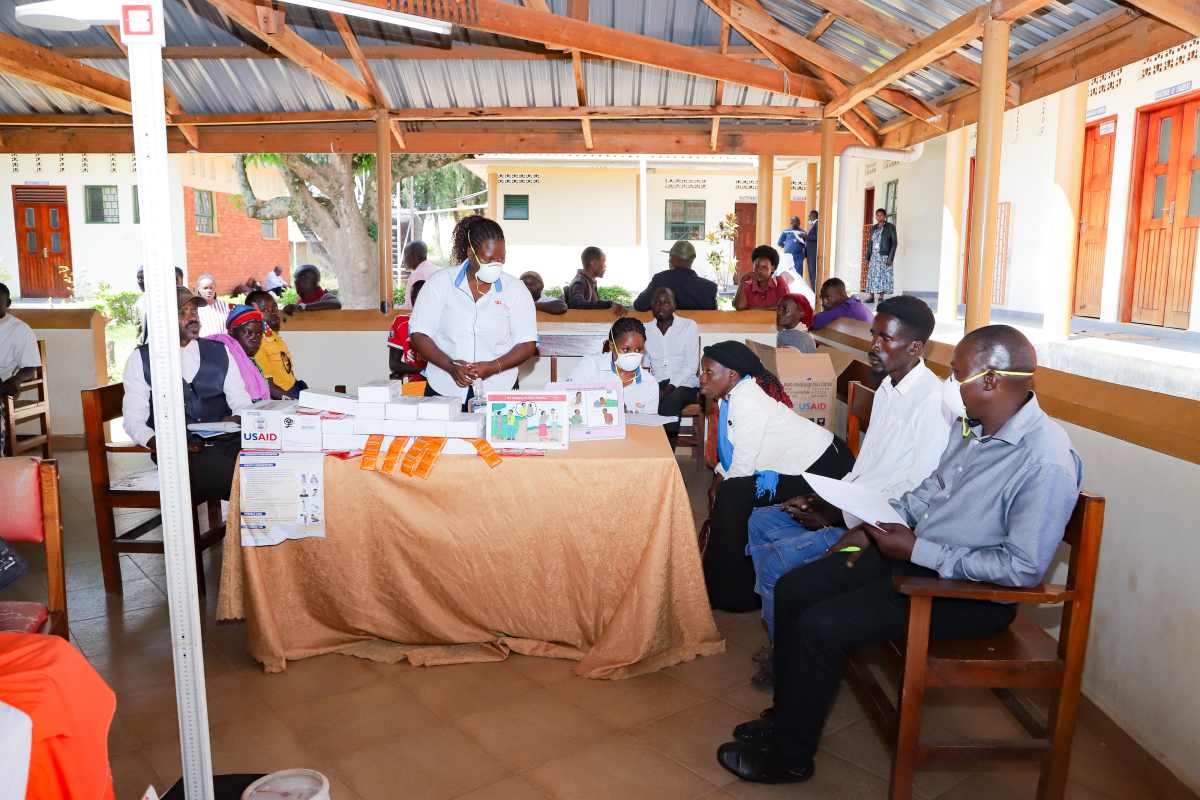
Judiciary Health Campaign Targets HIV Stigma and Lifestyle Disease Awareness
Hemoglobin A1c, commonly known as HbA1c or glycated hemoglobin, is a laboratory test that measures the average blood sugar levels over the past two to three months. This test is essential for diagnosing and monitoring diabetes. Unlike regular blood glucose tests that provide a snapshot of sugar levels at a single moment, HbA1c gives healthcare providers a broader picture of how well blood sugar has been controlled over time. The test measures the percentage of hemoglobin proteins in red blood cells that have glucose attached to them. Since red blood cells live for approximately three months, the HbA1c test reflects average glucose levels during that period.
The HbA1c test is performed using a simple blood sample, which can be taken at any time of day without requiring fasting. This convenience makes it a preferred choice for both patients and healthcare providers. For diagnosing diabetes, an HbA1c level of 6.5 percent or higher on two separate tests indicates diabetes. A level between 5.7 and 6.4 percent suggests prediabetes, meaning there is an increased risk of developing diabetes in the future. Normal HbA1c levels are below 5.7 percent. For people already diagnosed with diabetes, the target HbA1c level is typically below 7 percent, though individual targets may vary based on age, overall health, and other factors.
Regular HbA1c testing is recommended for people with diabetes to assess how well their treatment plan is working. For those with type 2 diabetes who are meeting treatment goals, testing is usually recommended twice a year. If diabetes is not well controlled or if treatment has changed, more frequent testing every three months may be necessary. The test is also valuable for people with prediabetes to monitor their condition and evaluate the effectiveness of lifestyle changes aimed at preventing progression to diabetes.
Several factors can affect HbA1c test results. Conditions that influence red blood cell turnover, such as recent blood loss, blood transfusions, or certain types of anemia, may lead to inaccurate readings. Additionally, certain ethnic groups may naturally have slightly higher HbA1c levels without having diabetes. Pregnancy, kidney disease, and liver disease can also impact results. If HbA1c results seem inconsistent with home glucose monitoring readings, healthcare providers may use additional tests to confirm diabetes diagnosis or assess blood sugar control. Understanding HbA1c values and their significance helps individuals work with their healthcare team to manage diabetes effectively and reduce the risk of complications.