
 magyar
 română
 slovenčina
 čeština
 English
 Deutsch
 polski
 italiano
 español
 svenska
 português
 français
 dansk
dansk
 suomi
suomi
 Nederlands
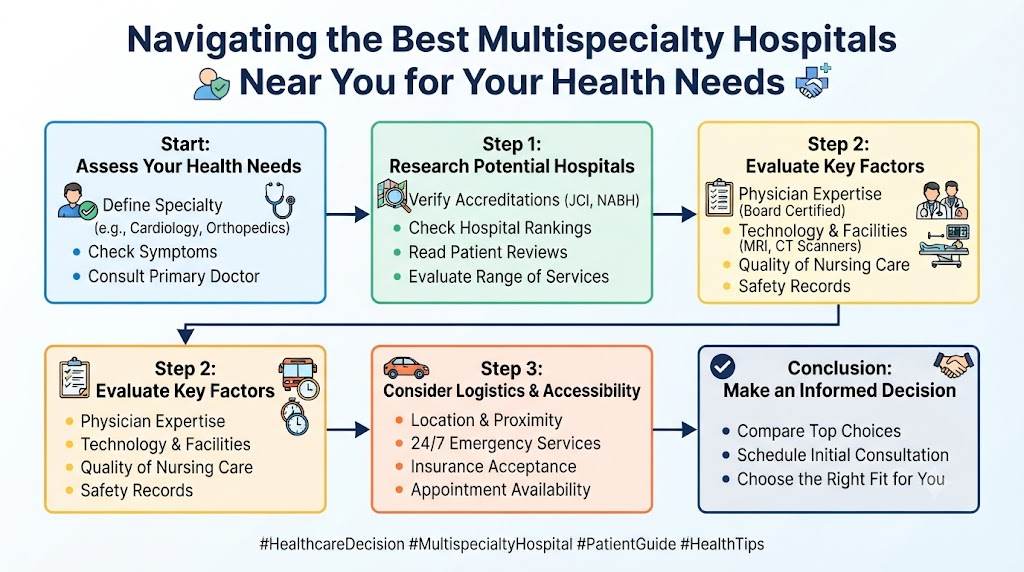
Finding Quality Multispecialty Hospitals for Comprehensive Health Testing
Thyroid-stimulating hormone, commonly known as TSH, is a hormone produced by the pituitary gland in the brain. This hormone plays a crucial role in regulating thyroid function by signaling the thyroid gland to produce thyroid hormones. The TSH test is one of the most important laboratory tests for evaluating how well the thyroid gland is working. Doctors typically order this test when patients show symptoms of thyroid problems, such as unexplained weight changes, fatigue, irregular heartbeat, or changes in mood and energy levels.
The TSH test measures the amount of thyroid-stimulating hormone in the blood. When thyroid hormone levels are low, the pituitary gland releases more TSH to stimulate the thyroid to produce more hormones. Conversely, when thyroid hormone levels are high, the pituitary releases less TSH. This feedback system helps maintain the proper balance of thyroid hormones in the body. The test is usually performed through a simple blood draw, typically from a vein in the arm, and no special preparation is usually required, though your doctor may ask you to fast or avoid certain medications before the test.
Normal TSH levels generally range from about 0.4 to 4.0 milli-international units per liter, though reference ranges may vary slightly between laboratories. High TSH levels usually indicate an underactive thyroid, a condition called hypothyroidism, where the thyroid gland is not producing enough thyroid hormones. Low TSH levels typically suggest an overactive thyroid, known as hyperthyroidism, where the thyroid is producing too much hormone. Both conditions can significantly affect metabolism, energy levels, and overall health.
The TSH test is often ordered along with other thyroid function tests, such as free T4 and free T3, to get a complete picture of thyroid health. It is also used to monitor patients already being treated for thyroid disorders to ensure their medication dosage is appropriate. Pregnant women, people with a family history of thyroid disease, and those with symptoms suggesting thyroid dysfunction are commonly recommended to have their TSH levels checked. Regular monitoring through TSH testing helps healthcare providers adjust treatment plans and ensure optimal thyroid function.