
 magyar
 română
 slovenčina
 čeština
 English
 Deutsch
 polski
 italiano
 español
 svenska
 português
 français
 dansk
dansk
 suomi
suomi
 Nederlands
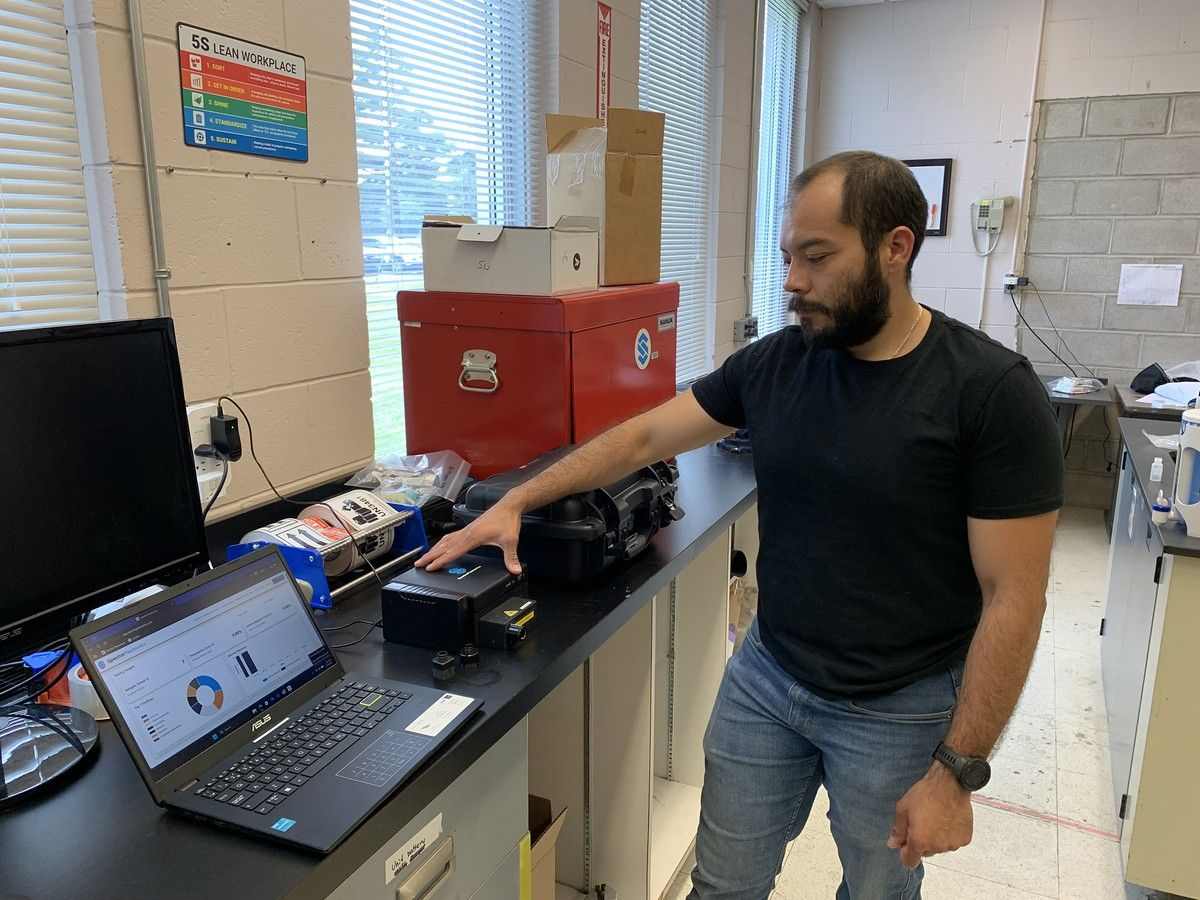
Federal Funding Boosts Cancer Detection and Food Safety Biotech Research
Hepatitis B is a viral infection that affects the liver and can cause both acute and chronic disease. The hepatitis B virus is transmitted through contact with infected blood or body fluids, including through unprotected sexual contact, sharing needles, or from mother to child during childbirth. Many people with hepatitis B may not show symptoms initially, which is why laboratory testing plays a crucial role in diagnosis and management of this condition.
Laboratory tests for hepatitis B include several different markers that help determine if a person has an active infection, has recovered from a previous infection, or has been successfully vaccinated. The hepatitis B surface antigen test, known as HBsAg, is typically the first test performed and indicates the presence of the virus. If this test is positive, additional tests are ordered to determine the stage and severity of the infection. These include tests for hepatitis B surface antibody, hepatitis B core antibody, and hepatitis B e-antigen, each providing specific information about the infection status.
The hepatitis B surface antibody test, or anti-HBs, shows whether a person has developed immunity to the virus either through vaccination or recovery from past infection. The hepatitis B core antibody tests, including both IgM and IgG types, help distinguish between acute and chronic infections. Healthcare providers also use liver function tests to assess how well the liver is working and whether the virus has caused any damage. These tests measure enzymes and proteins in the blood, such as alanine aminotransferase and aspartate aminotransferase, which can be elevated when the liver is inflamed.
For people diagnosed with chronic hepatitis B, regular monitoring through laboratory tests is essential. The hepatitis B viral load test measures the amount of virus in the blood and helps doctors determine if antiviral treatment is needed and whether treatment is working effectively. Regular testing also helps identify any progression to more serious liver conditions. Early detection through laboratory testing allows for timely intervention and better management of hepatitis B, potentially preventing serious complications such as cirrhosis or liver cancer.