
 magyar
 română
 slovenčina
 čeština
 English
 Deutsch
 polski
 italiano
 español
 svenska
 português
 français
 dansk
dansk
 suomi
suomi
 Nederlands
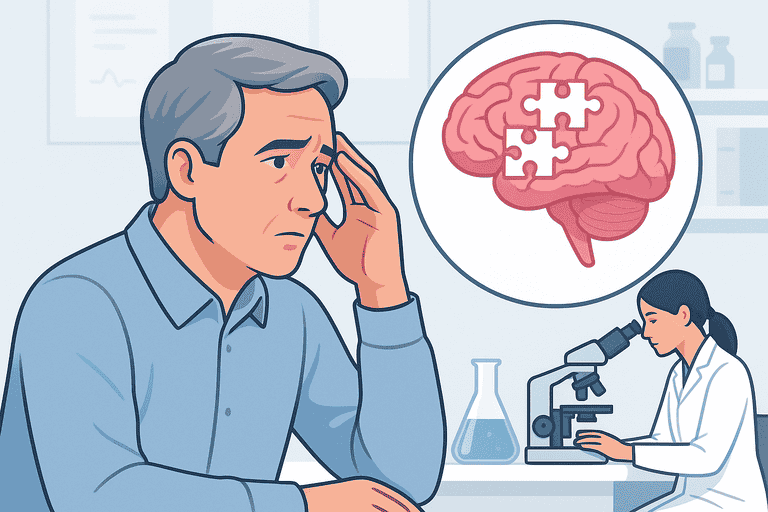
Early Alzheimer's Warning Signs May Appear at Age 45, Study Shows
Testosterone is a crucial hormone primarily produced in the testicles in men and in smaller amounts in the ovaries and adrenal glands in women. This hormone plays a vital role in many bodily functions including the development of male sexual characteristics, muscle mass, bone density, red blood cell production, and overall mood and energy levels. Testosterone levels naturally vary throughout the day and decline gradually with age, but abnormal levels can indicate various health conditions that may require medical attention.
Laboratory testing for testosterone typically involves a simple blood draw, usually performed in the morning when testosterone levels are at their highest. There are different types of testosterone tests available, including total testosterone which measures both bound and free testosterone in the blood, and free testosterone which measures only the hormone that is not attached to proteins. Your healthcare provider may also order additional tests such as luteinizing hormone and follicle-stimulating hormone to help determine the underlying cause of abnormal testosterone levels.
Low testosterone levels, a condition known as hypogonadism, can cause symptoms such as decreased sex drive, erectile dysfunction, fatigue, loss of muscle mass, increased body fat, mood changes, and reduced bone density. In men, low testosterone may result from aging, injury to the testicles, certain medications, chronic illnesses, or disorders affecting the pituitary gland. In women, low testosterone can lead to decreased libido, fatigue, and weakened bones. High testosterone levels are less common in men but can occur due to tumors or the use of anabolic steroids. In women, elevated testosterone may indicate polycystic ovary syndrome, adrenal disorders, or ovarian tumors, and can cause symptoms like irregular menstrual periods, excess facial and body hair, acne, and deepening of the voice.
Preparation for a testosterone test usually requires fasting for several hours before the blood draw, and your healthcare provider may ask you to have the test done between 7 and 10 in the morning. It is important to inform your doctor about all medications and supplements you are taking, as some substances can affect testosterone levels. Normal testosterone ranges vary by age, sex, and the specific laboratory performing the test, so your results should always be interpreted by a qualified healthcare professional who can consider your individual circumstances and symptoms.
If your testosterone levels are found to be abnormal, your healthcare provider will work with you to determine the underlying cause and appropriate treatment options. Treatment may involve hormone replacement therapy, lifestyle modifications including exercise and weight management, addressing underlying medical conditions, or adjusting current medications. Regular monitoring through follow-up blood tests is typically necessary to ensure treatment effectiveness and safety.